VR Surgical & Clinical Training
Turning high-stakes clinical procedures into immersive training that’s measurable, for surgeons at Osso VR and healthcare professionals at Embodied Labs.
Immersive is easy to say. Measurable is harder.
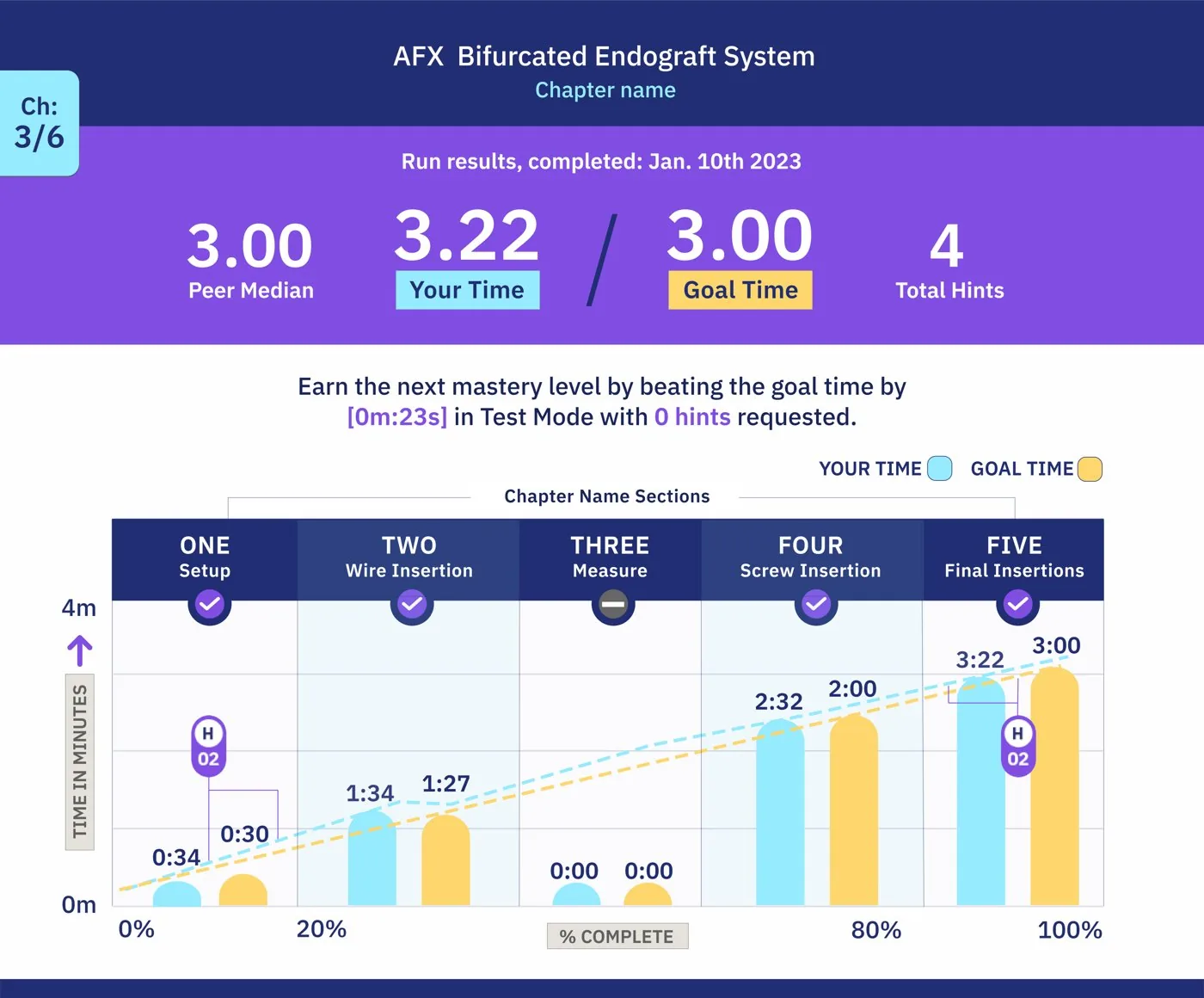
Osso VR teaches procedural skill through immersive VR simulation, with performance measured against peer benchmarks and time-to-completion goals for each surgical step.
The job was to translate complex clinical procedures into modules that are both immersive and measurable, then design the analytics surgeons and clinical educators use to track mastery.
Data-dense reporting and in-headset interaction.
Post-run analytics
A trainee’s time against peer median and goal time, section by section, so mastery is visible at a glance.
In-headset UI
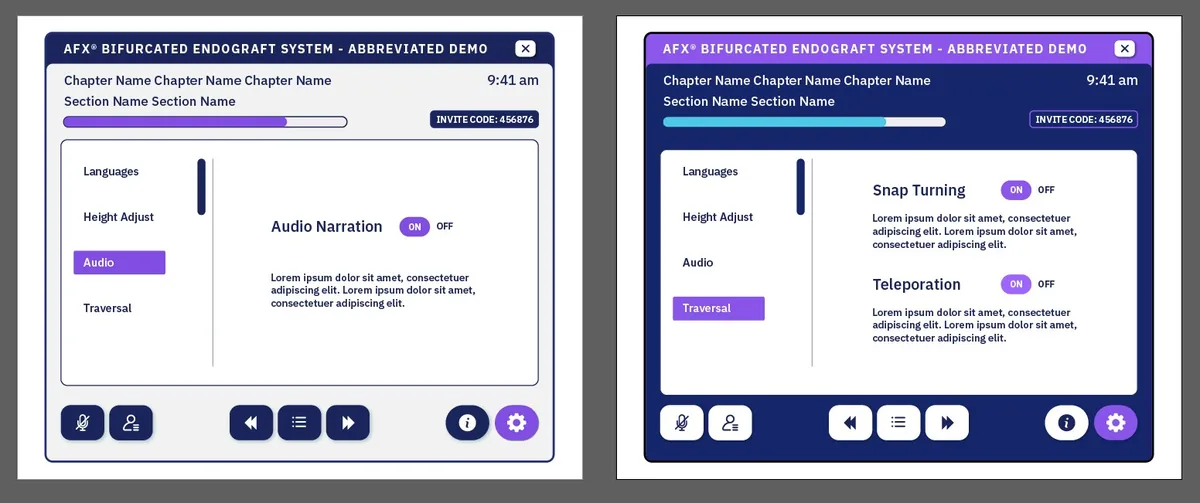
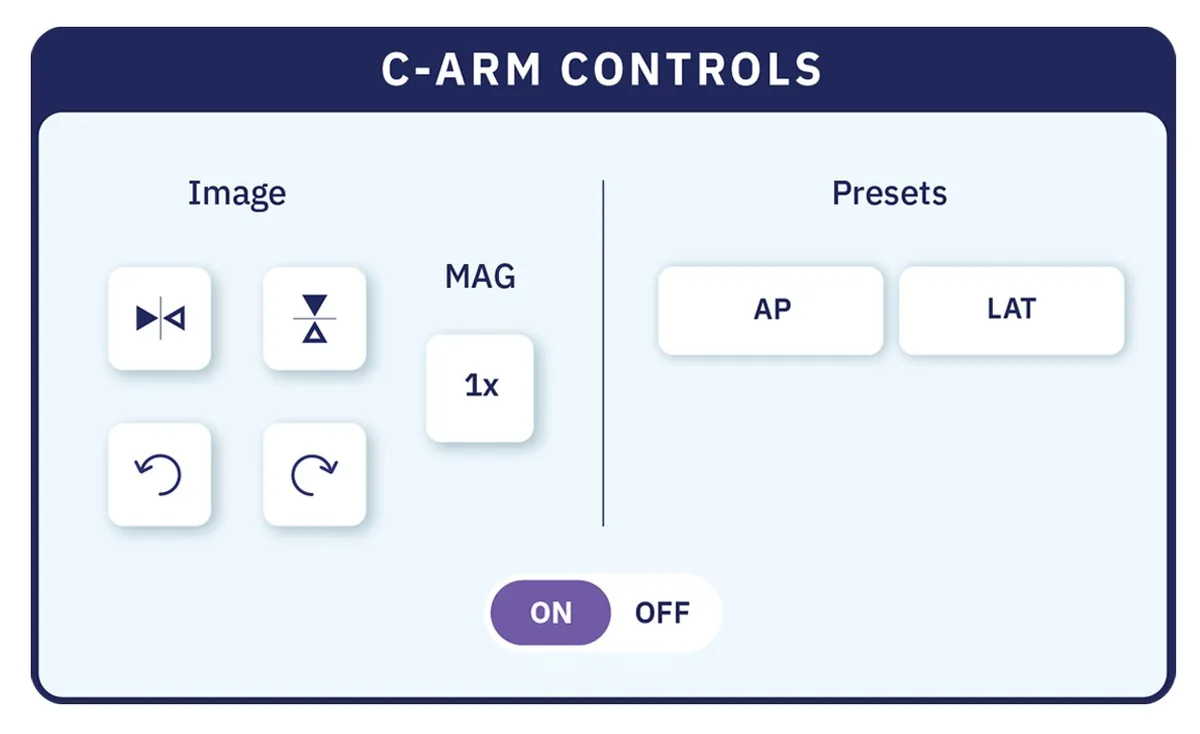
Settings panels for language, height, audio narration and traversal, plus the Surgical Table Controller surgeons use mid-procedure.
Onsite testing
Sessions with surgeons and clinical educators found the friction in critical workflows.
Reusable VR system
Design systems and interaction patterns reused across new procedures.
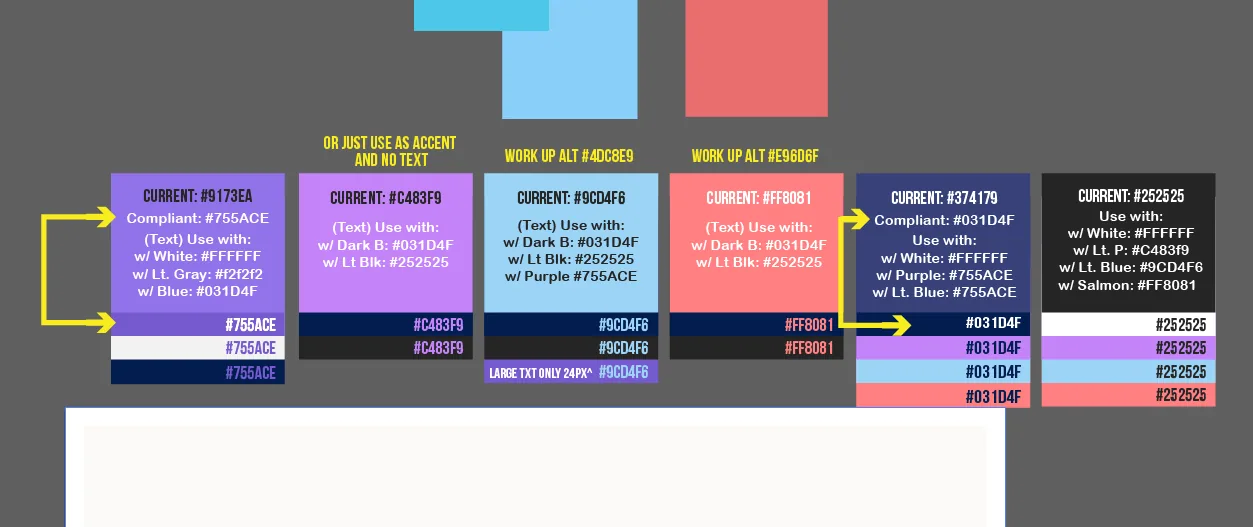
A brand palette that passes in the headset.
Every brand color was tested for WCAG contrast against white, dark and accent backgrounds, then given a compliant alternative and clear rules for when it can carry text and when it’s accent-only.
Controls built for the middle of a procedure.
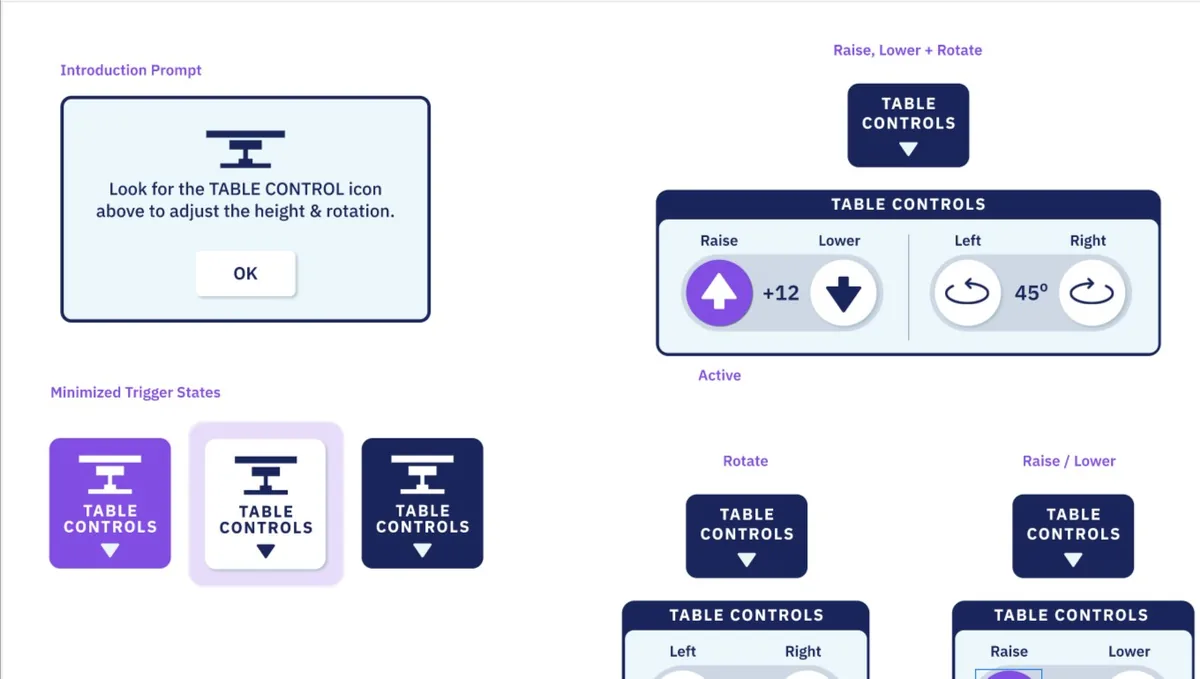
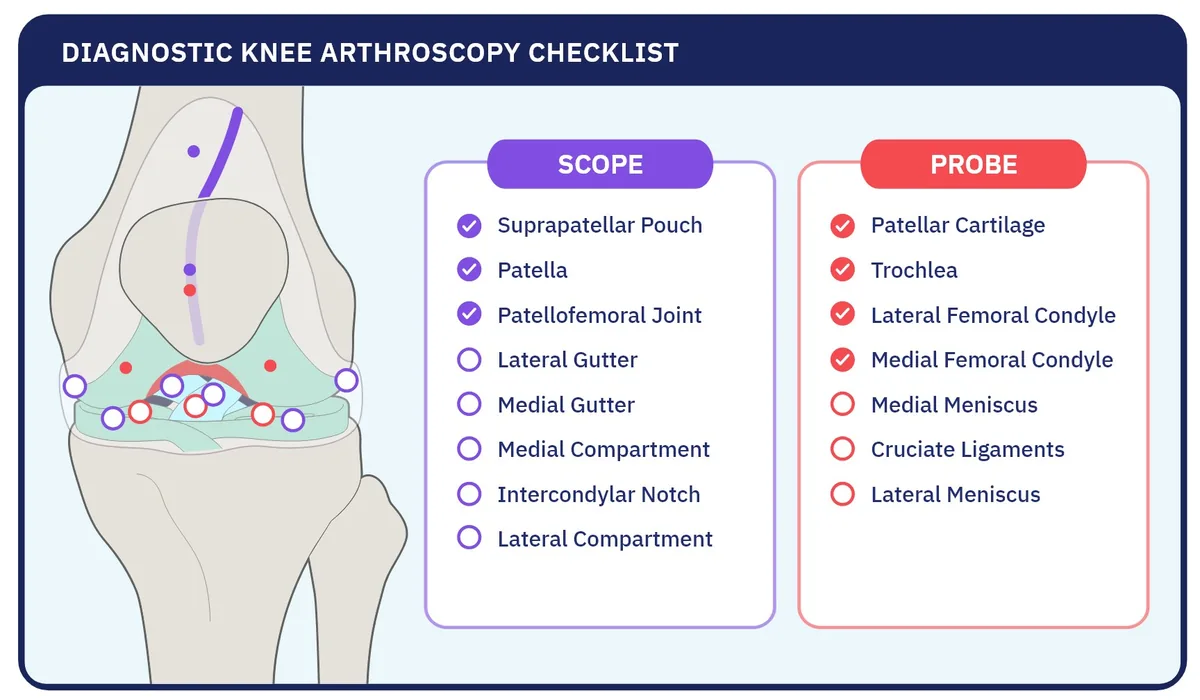
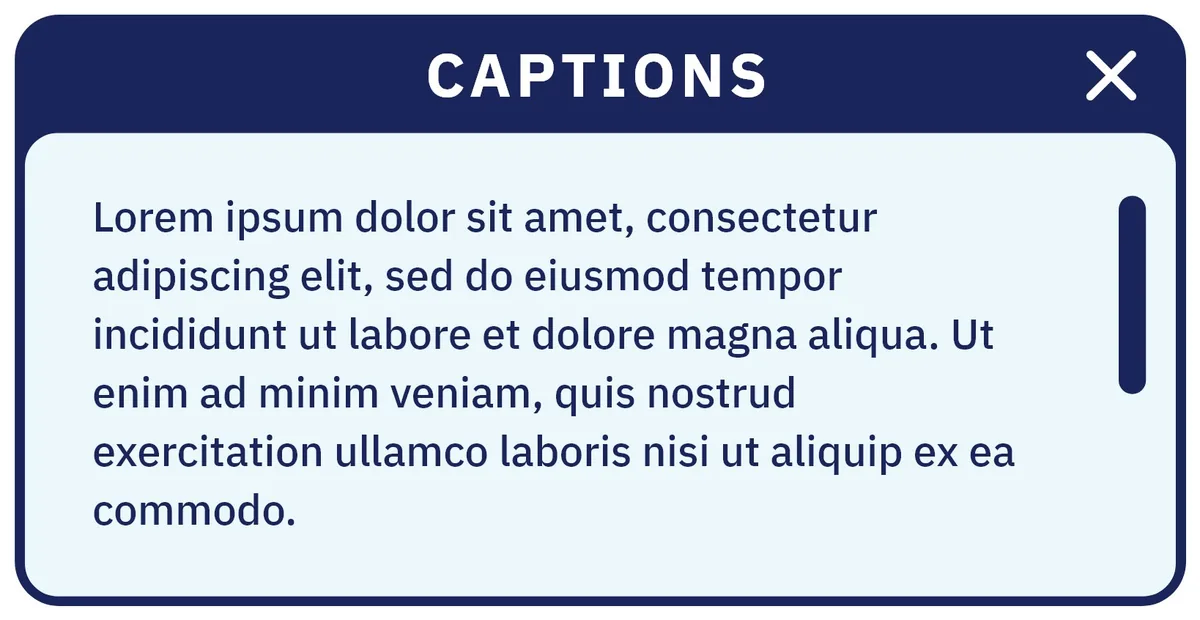
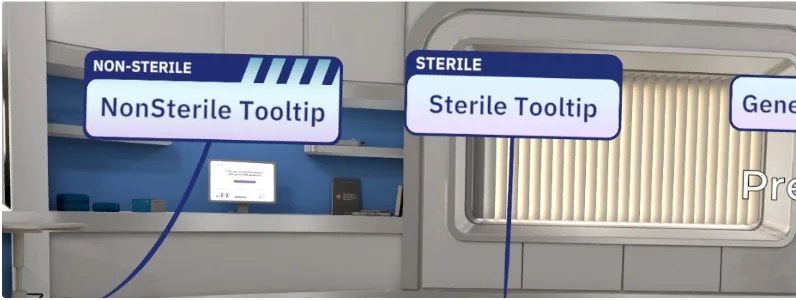
One panel system for everything a trainee touches inside the operating room: big, high-contrast targets, a navy header bar for orientation and a single violet for “on.” The same components built every new procedure faster.
Training that builds empathy for the people in care.
At Embodied Labs I designed UX and UI for immersive XR/VR healthcare training modules, and led usability testing with healthcare professionals.
I built interaction patterns and UI components that made modules faster to design and easier to hand off to development.
Better learners, faster production.
Across both teams, the work ranged from data-dense post-run reporting to real-time interaction design inside the headset.